
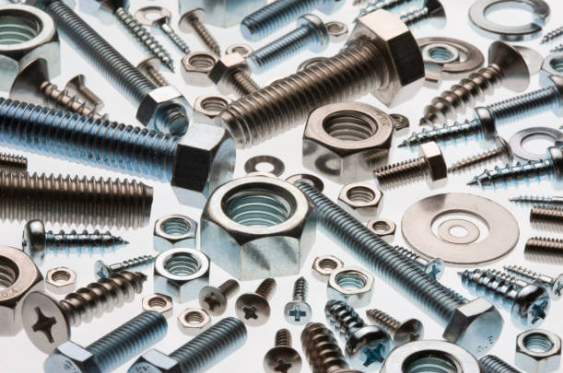
The main purposes of surface treatment are aesthetics and corrosion prevention. Since the primary function of fasteners is to secure components, and surface treatment has a significant impact on their fastening performance. Therefore, when choosing a surface treatment process, factors such as torque and preload consistency of the fasteners should be taken into account.
Surface treatment for fasteners: galvanizing, phosphating, blackening or chromium plating
A highly skilled designer not only needs to consider structural design and manufacturing processes, but also pay attention to the processability of assembly, and even environmental and economic requirements. The following briefly introduces some commonly used coatings for fasteners based on the above factors for reference by fastener practitioners.
- Electro-galvanizing
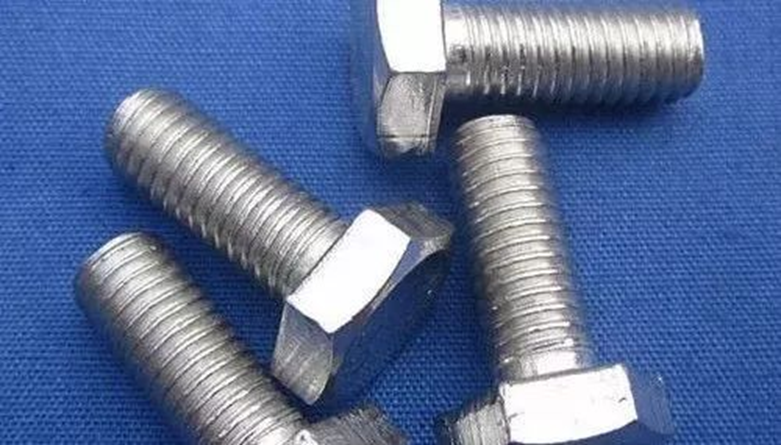
Electro-galvanizing is the most commonly used coating for commercial fasteners. It is relatively inexpensive and has a good appearance, available in black and military green. However, its corrosion resistance is average and is the lowest among zinc coatings.
Generally, the neutral salt spray test for electro-galvanizing lasts less than 72 hours. However, by using special sealing agents, the neutral salt spray test can last over 200 hours, but this method is expensive, about 5 to 8 times the cost of regular galvanizing.
The electro-galvanizing process is prone to hydrogen embrittlement, so bolts of grade 10.9 and above generally do not use galvanizing treatment. Although hydrogen can be removed by baking in an oven after galvanizing, the passivation film will be damaged at temperatures above 60°C.
Therefore, dehydrogenation must be carried out before passivation after electro-galvanizing. This makes the operation difficult and increases processing costs. In reality, most manufacturers will not actively dehydrogenate unless specifically required by customers.
The torque and preload consistency of electro-galvanized fasteners is poor and unstable, and they are generally not used for connections in critical areas. To improve the consistency of torque and preload, a method of applying lubricating substances after galvanizing can be used to enhance and improve the consistency of torque and preload.
- Phosphating
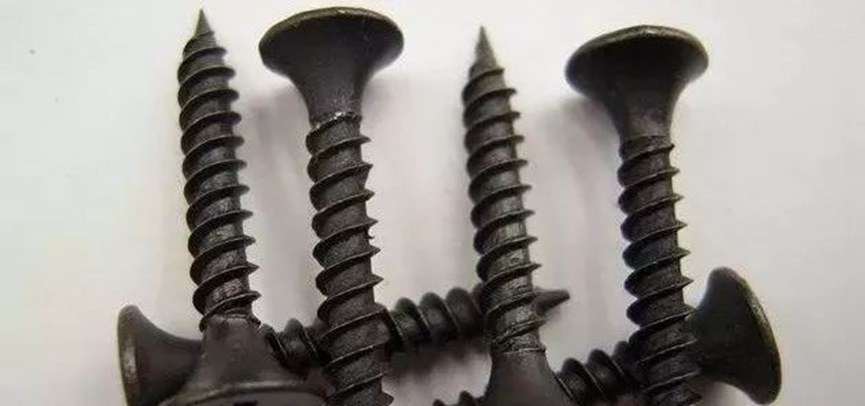
One fundamental principle is that phosphating is relatively cheaper than galvanizing, but its corrosion resistance is inferior to that of galvanizing. After phosphating, oil should be applied, and the corrosion resistance is highly related to the performance of the oil used.
For instance, if a common anti-rust oil is applied after phosphating, the neutral salt spray test only lasts for 10 to 20 hours. However, if a high-grade anti-rust oil is used, it can last for 72 to 96 hours. But the price of the high-grade oil is 2 to 3 times that of the common one.
For fasteners, there are two commonly used types of phosphating: zinc-based phosphating and manganese-based phosphating. Zinc-based phosphating has better lubrication performance than manganese-based phosphating, while manganese-based phosphating has better corrosion resistance and wear resistance than galvanizing.
Its application temperature can reach 225 to 400 degrees Fahrenheit (107℃ to 204℃). Especially for some important parts connections, such as connecting rods bolts and nuts of engines, cylinder heads, main bearings, flywheel bolts, wheel bolts and nuts, etc.
High-strength bolts using phosphating can also avoid hydrogen embrittlement problems. Therefore, in the industrial field, bolts above grade 10.9 generally adopt phosphating surface treatment.
- Oxidation (blackening)
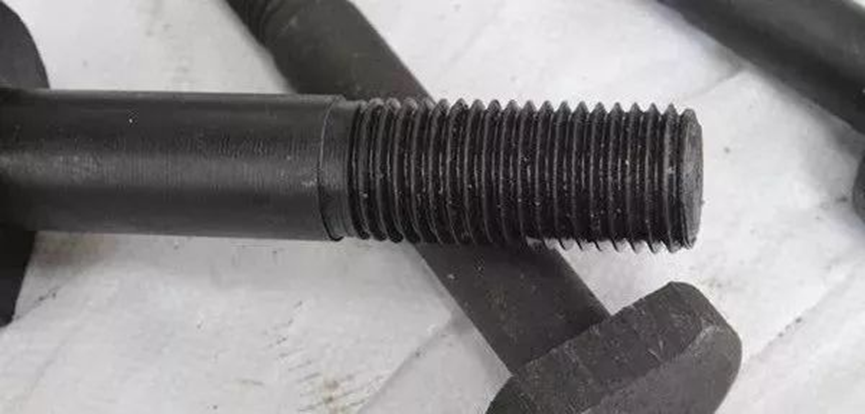
Blackening and oil coating is a very popular finish for industrial fasteners because it is the cheapest and looks good before the oil runs out. Since blackening has almost no rust prevention ability, it will rust quickly after the oil is gone. Even when there is oil, salt spray tests can only last for 3 to 5 hours.
- Electroplated cadmium
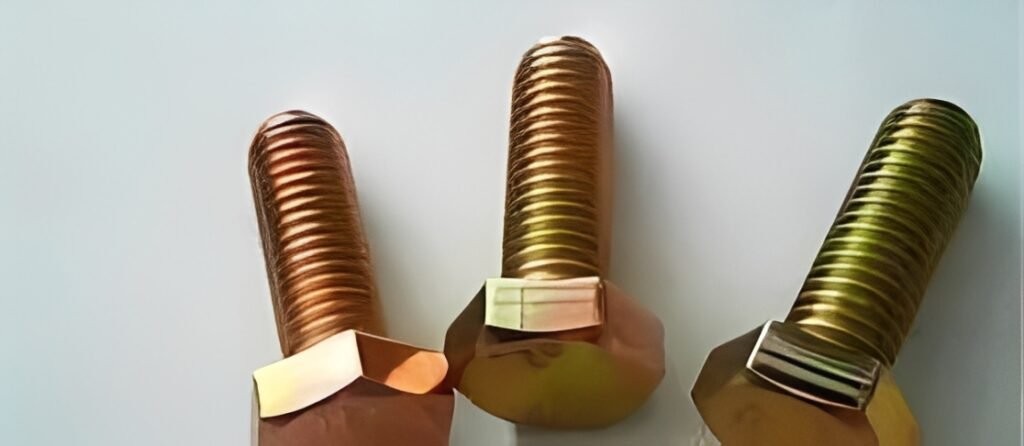
Cadmium plating has excellent corrosion resistance, especially in marine atmospheric environments, where its corrosion resistance is superior to that of other surface treatments. However, the waste liquid treatment cost during the electroplating process is high, and its price is about 15 to 20 times that of electroplated zinc.
Therefore, it is not used in general industries but only in specific environments, such as for fasteners used in oil drilling platforms and marine aircraft.
- Electroplating chromium
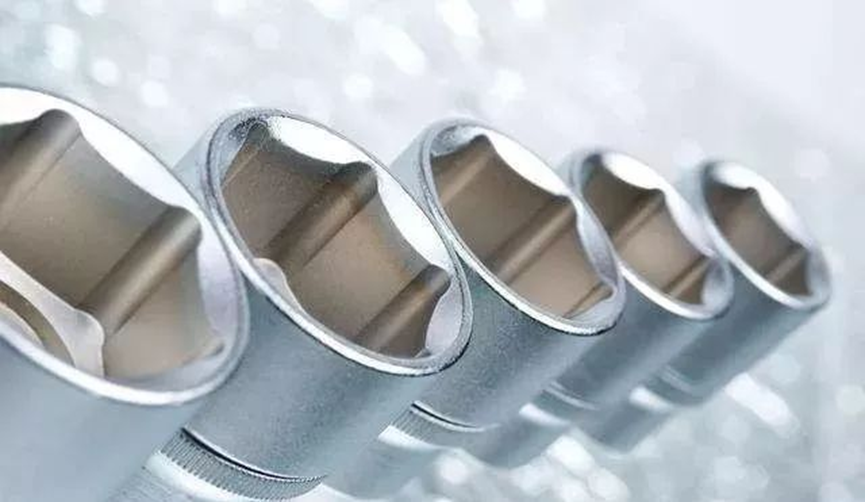
Chromium plating is very stable in the atmosphere, not prone to discoloration or loss of luster, and has high hardness and good wear resistance. On fasteners, chromium plating is generally used for decorative purposes.
It is rarely used in industrial fields with high requirements for corrosion resistance because good chromium-plated fasteners are as expensive as stainless steel. Only when the strength of stainless steel is insufficient, chromium-plated fasteners are used as a substitute.
To prevent corrosion, copper and nickel plating should be done first before chromium plating. The chromium plating can withstand a temperature of 1200 degrees Fahrenheit (650℃). However, it also has the problem of hydrogen embrittlement like electro-galvanized plating.
- Nickel plating
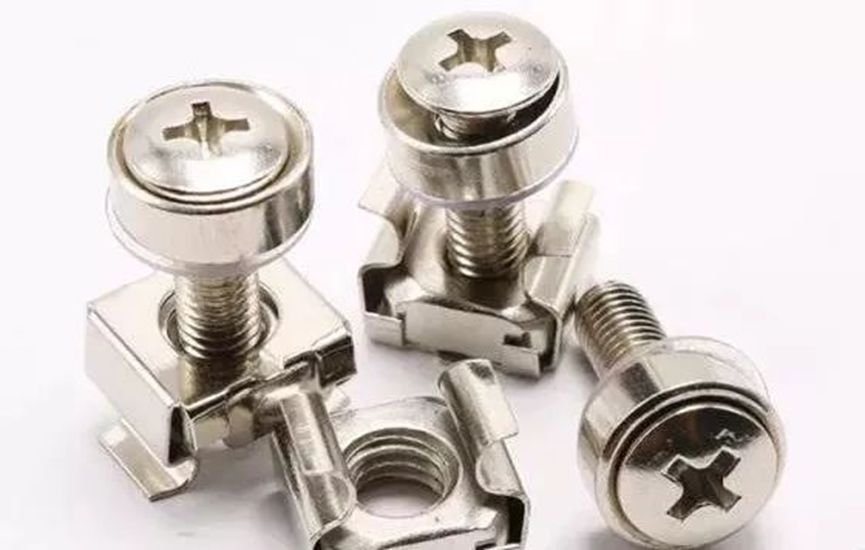
The process of coating a layer of nickel on metals or certain non-metals through electrolysis or chemical methods is called nickel plating. Nickel plating is divided into electroplating nickel and chemical plating nickel.
It is mainly used in places where both corrosion resistance and good electrical conductivity are required, such as the terminal posts of vehicle batteries, etc.
- Hot-dip galvanizing
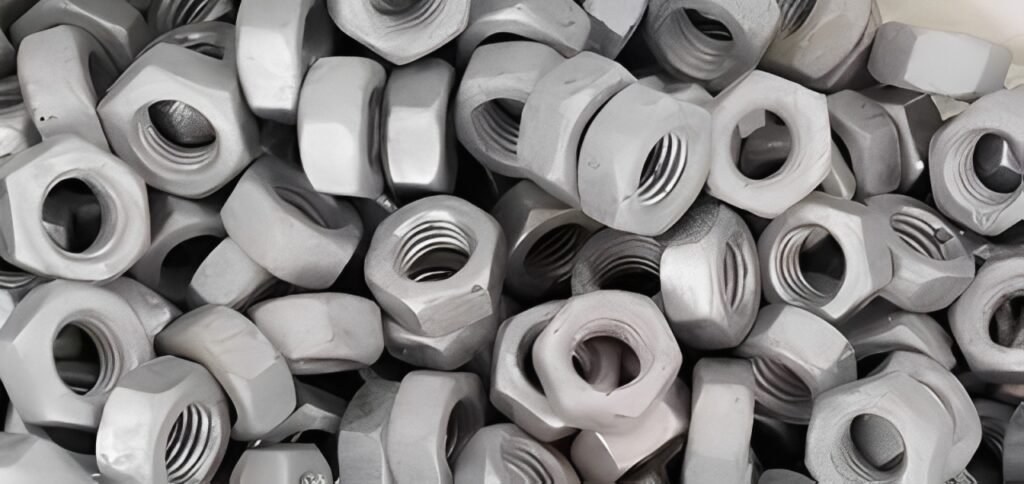
Hot-dip galvanizing is a process where zinc is heated to a liquid state and diffuses to form a coating. The coating thickness ranges from 15μm to 100μm and is difficult to control, but it has good corrosion resistance and is widely used in engineering. However, the hot-dip galvanizing process causes severe pollution, including zinc waste and zinc vapor.
Due to the thick coating, it causes problems with the internal and external threads of fasteners not being able to be screwed together. Because of the processing temperature of hot-dip galvanizing (340℃ to 500℃), it cannot be used for fasteners above grade 10.9. Diffusion galvanizing
Zinc diffusion coating by zinc powder is a solid-state metallurgical thermal diffusion coating. It has good uniformity and can achieve uniform layers in threads and blind holes. The coating thickness ranges from 10 μm to 110 μm, and the error can be controlled within 10%.
Its bonding strength with the substrate and anti-corrosion performance are the best among zinc coatings (electro-galvanizing, hot-dip galvanizing, and Dacromet). The processing process is pollution-free and the most environmentally friendly.
- Dacromet
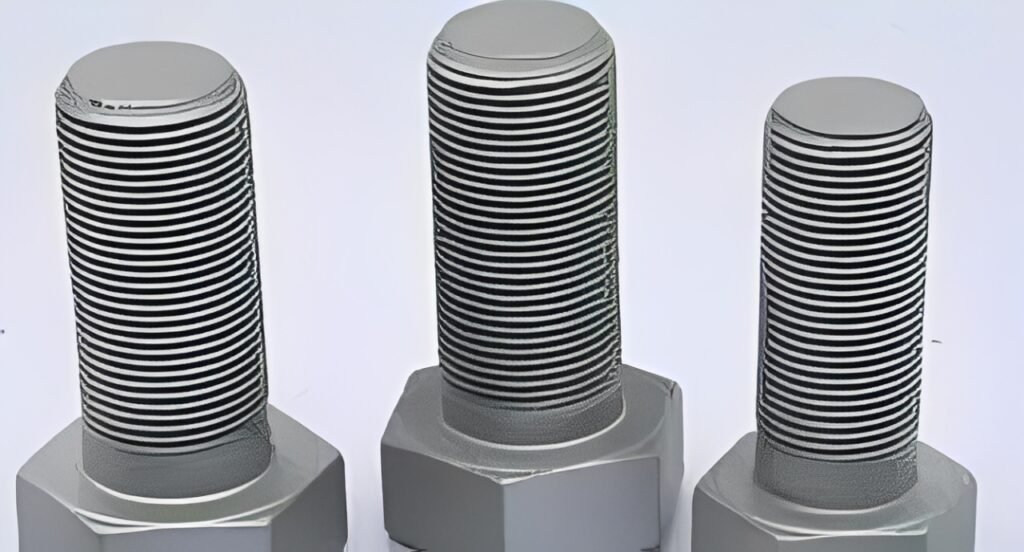
Dacromet, also known as zinc chromate coating, is a new type of anti-corrosion coating mainly composed of zinc powder, aluminum powder, chromic acid and deionized water. It has no hydrogen embrittlement problem and excellent torque-tightening force consistency. If the issues of hexavalent chromium and environmental protection are not taken into account, it is actually the most suitable for high-strength fasteners with high anti-corrosion requirements.
If you are looking for fasteners with special surface treatment, please visit us here https://hktl-fastener.com/.