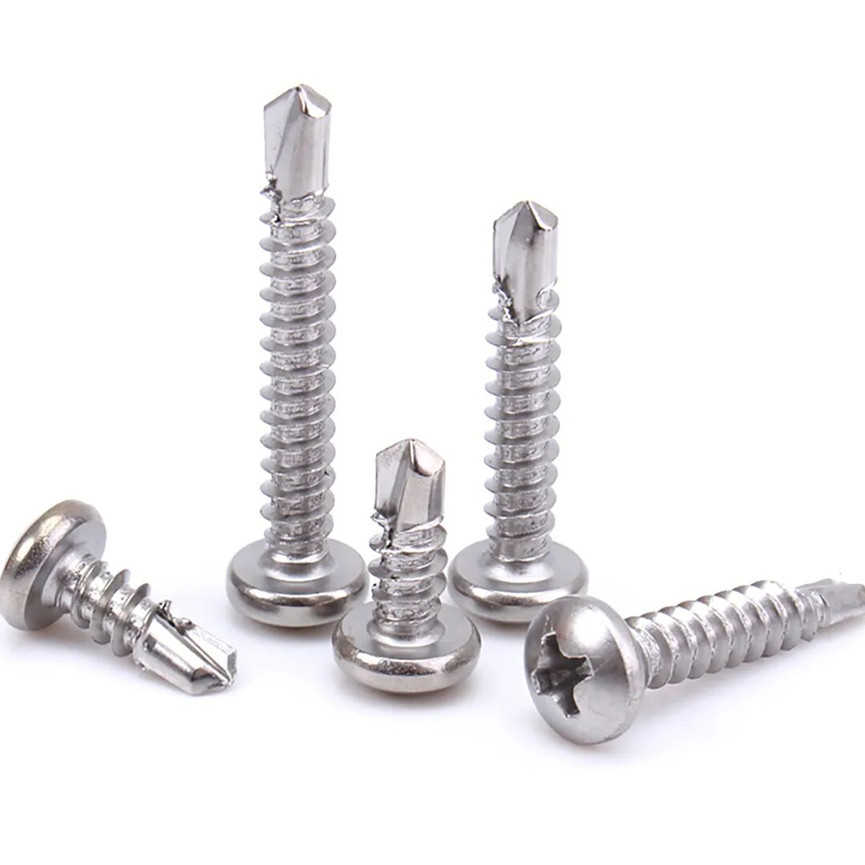
Custom fasteners play an important role in industrial equipment, machinery, automotive assemblies, electronics, and other engineered products. When a standard bolt, screw, stud, nut, or pin cannot meet an application’s requirements, a custom fastener may provide the geometry, material, thread configuration, or functional features needed for the design.
However, successful custom fastener manufacturing involves more than producing a part that looks like an engineering drawing. The drawing must be interpreted correctly, the material and manufacturing route must be suitable, critical dimensions must be controlled, and acceptance criteria must be agreed upon before production begins.
For OEM buyers, procurement teams, and engineers, understanding the process from drawing to production helps reduce specification gaps, avoid unnecessary tooling costs, and improve communication with a custom fastener supplier.
This guide explains the main stages of custom fastener development, the information to include in a request for quotation (RFQ), and the questions to resolve before approving production.
What Are Custom Fasteners?
Custom fasteners are fastening components designed or manufactured to meet requirements that are not fully satisfied by standard catalog products.
Depending on the application and the supplier’s manufacturing capabilities, they may include:
- Custom bolts and screws: Components with specified head geometries, drive features, thread lengths, shank dimensions, or other non-standard features.
- Special studs and threaded rods: Parts with defined thread configurations, lengths, end features, or material requirements.
- Custom nuts and threaded components: Components with special dimensions, shapes, interfaces, or assembly requirements.
- Precision machined fasteners: Parts that require CNC turning, milling, drilling, or other machining operations.
- Application-specific fastening components: Pins, spacers, shoulder screws, and related parts designed for a particular assembly.
Not every custom fastener requires a completely new design. In some cases, a modified standard component is sufficient. In others, dedicated tooling, additional machining, or a more detailed engineering review may be necessary.
The appropriate solution depends on the drawing, material, required properties, production quantity, and intended application.
The Custom Fastener Manufacturing Process: From Drawing to Production
Step 1: Submit the Engineering Drawing and Application Requirements
The engineering drawing is the starting point for a custom fastener project. It communicates the component’s geometry, dimensions, tolerances, material requirements, and other characteristics that define an acceptable part.
For a meaningful quotation, provide a readable, controlled drawing whenever possible. A PDF drawing is useful for review, while a native CAD file may help clarify complex geometry if the supplier can accept and use that format.
The drawing package should identify:
- Part number and drawing revision
- Units of measurement and applicable dimensioning conventions
- Overall dimensions and detailed feature dimensions
- Thread diameter, pitch, tolerance class, and thread length
- Head style, drive type, under-head geometry, and other functional features
- Material grade and required mechanical properties
- Surface finish, coating, passivation, or other specified treatment
- Critical dimensions and applicable geometric tolerances
- Inspection, testing, marking, and documentation requirements, where applicable
Also explain the application’s purpose. Information about mating components, installation methods, operating environment, loading conditions, and expected service life can help identify potential design or manufacturing concerns.
If the drawing is incomplete, a supplier should clarify the missing requirements rather than assume that unspecified details are unimportant.
Step 2: Review Design for Manufacturability (DFM)
Before tooling or production planning begins, the drawing should be reviewed for manufacturability.
Design for Manufacturability (DFM) is the process of assessing whether the specified geometry, material, tolerances, and features can be produced consistently using an appropriate manufacturing route.
For custom fasteners, the review may consider:
- Geometry: Whether the head, shank, thread, recesses, shoulders, and other features suit the proposed process.
- Material: Whether the selected material is appropriate for the required strength, corrosion resistance, temperature, and forming or machining operations.
- Tolerances: Whether the specified dimensional limits are necessary for fit, function, and interchangeability.
- Thread requirements: Whether thread form, pitch, class, length, and mating conditions are clearly defined.
- Surface treatment: Whether coating or finishing requirements affect dimensions, thread fit, friction, or corrosion performance.
- Manufacturing sequence: Whether cold forming, machining, thread rolling, heat treatment, or secondary operations may be appropriate.
- Quality requirements: Which dimensions, properties, and records must be verified before acceptance.
If a feature appears difficult or costly to manufacture, the supplier may propose an alternative. Any change affecting the approved design or product requirements should be documented and approved by the customer before implementation.
A DFM review is not permission to alter the drawing without authorization.
Step 3: Select the Material and Define the Required Properties
Material selection influences fastener strength, ductility, corrosion resistance, temperature performance, manufacturability, and cost.
Common material families include carbon steel, alloy steel, stainless steel, aluminum alloys, brass, and titanium alloys. Each has different characteristics, and no single material is best for every application.
When specifying material, distinguish between the material grade and the required mechanical properties. For example, a steel grade alone may not fully define the required strength condition of a fastener.
For applicable carbon steel and alloy steel bolts, screws, and studs, ISO 898-1 provides mechanical property requirements for specified property classes within its scope. It does not, by itself, define every requirement for corrosion resistance, fatigue, or torque-clamp force performance.
Reference: https://www.iso.org/standard/60610.html
For stainless steel fasteners, the relevant material and property requirements should be selected according to the applicable fastener standard and service conditions.
When requesting a quotation, specify the required material designation, property class or mechanical requirements, and any required material documentation. If substitutions are permitted, define the approval process before ordering.
Step 4: Confirm the Manufacturing Route and Tooling Requirements
The manufacturing process depends on the part’s shape, material, dimensional requirements, surface condition, and order quantity.
Possible processes include:
- Cold forming: Often suitable for producing certain high-volume fasteners from wire or bar stock using forming dies.
- Machining: Useful for producing complex geometries, precise features, special profiles, or parts that are not suitable for the proposed forming process.
- Thread rolling: Forms threads through plastic deformation and may be suitable for compatible materials and geometries.
- Thread cutting: Removes material to create threads and may be appropriate for particular designs or production requirements.
- Heat treatment: Used when required to achieve specified mechanical properties, subject to material and process suitability.
- Secondary operations: May include drilling, slotting, grinding, deburring, surface finishing, coating, or other operations specified for the part.
These methods are not interchangeable in every situation. The selected route must be evaluated against the drawing and performance requirements.
Tooling may be required for non-standard head shapes, forming operations, or other specialized features. Tooling costs and development requirements should be discussed separately from the recurring unit price where relevant.
The total project cost may include engineering review, tooling, sample production, inspection, finishing, packaging, and production. The relative importance of each cost depends on the design and order quantity.
Step 5: Review Samples and Confirm Acceptance Criteria
Where sampling is appropriate, the sample stage provides an opportunity to verify whether the proposed manufacturing route can produce a part that meets the agreed requirements.
Before samples are made, confirm what will be evaluated and how acceptance will be determined.
Depending on the project, sample review may include:
- Critical dimensions and geometric features
- Thread fit and compatibility with mating components
- Material identification and required material documentation
- Mechanical properties or other specified tests
- Surface finish, coating, and appearance
- Assembly fit or functional testing
- Marking, packaging, and traceability requirements
A first-article inspection (FAI) or formal sample submission may be appropriate when required by the customer or project specification. The scope of the inspection should be agreed upon in advance.
A sample that fits an assembly does not automatically prove that every material, mechanical, or durability requirement has been satisfied. Likewise, dimensional inspection alone does not establish compliance with unspecified performance requirements.
If a sample fails, document the nonconformity, determine its cause, and agree on corrective action before production approval.
Step 6: Release the Approved Specification for Production
Before a production order is released, the buyer and supplier should work from the same approved requirements.
Confirm the following:
- Approved drawing revision
- Material and mechanical property requirements
- Thread and dimensional tolerances
- Surface treatment and finishing requirements
- Inspection plan and acceptance criteria
- Required test reports and material documents
- Approved sample status, if applicable
- Packaging, labeling, and delivery requirements
- Change-control and nonconformance procedures
These details help prevent misunderstandings between engineering, purchasing, quality, and production teams.
If the drawing, material, process, or acceptance criteria change after sample approval, the impact should be reviewed. Depending on the change, additional samples, inspection, or customer approval may be needed.
Step 7: Production Inspection, Packaging, and Delivery
During production, inspection activities should focus on the requirements defined in the drawing, purchase order, and agreed quality plan.
Depending on the part and project, checks may include dimensional measurements, thread verification, visual inspection, material verification, mechanical testing, coating checks, or other specified tests.
The inspection method and frequency should be appropriate to the component’s risk and contractual requirements. Not every project requires the same inspection scope or documentation package.
Before shipment, the parties should also confirm:
- Quantity and part identification
- Packaging method and protection against handling or transport damage
- Labeling and lot identification, where required
- Required inspection or material documents
- Delivery destination and agreed shipping arrangements
For repeat orders, retain the approved specification and clearly document any authorized changes. Consistent revision control helps reduce the risk of receiving parts made to an outdated drawing.
What Information Should You Include in a Custom Fastener RFQ?
A complete request for quotation helps a supplier evaluate feasibility, identify open technical questions, and provide a more meaningful commercial proposal.
Use the following checklist when preparing your RFQ.
1. Technical information
- Engineering drawing with part number and revision
- CAD file, if available and appropriate
- Material grade and required mechanical properties
- Thread specification and critical dimensions
- Surface finish, coating, and corrosion requirements
- Applicable standards and customer specifications
- Required inspection and documentation
2. Commercial information
- Prototype, initial order, and expected repeat-order quantities
- Estimated annual demand, if known
- Target delivery requirements
- Packaging and labeling instructions
- Delivery destination and shipping requirements
- Tooling ownership or return requirements, if applicable
3. Application information
- Intended function and mating components
- Installation method and assembly conditions
- Operating temperature and environmental exposure
- Relevant loading, vibration, or fatigue considerations
- Any regulatory, traceability, or customer-specific requirements
You do not need to know every manufacturing detail before requesting a quotation. However, the more clearly the functional and acceptance requirements are defined, the less room there is for costly assumptions.
What Affects Custom Fastener Cost and Lead Time?
There is no universal price or lead time for custom fasteners. Both depend on the specific design and the agreed scope of work.
Important factors include:
Part complexity: Special head shapes, unusual profiles, secondary machining, and difficult-to-access features may increase processing requirements.
Material selection: Material availability, processing difficulty, and required mechanical properties can affect cost and scheduling.
Tolerance requirements: Tighter tolerances may require additional process control, more precise equipment, or more inspection.
Tooling: Dedicated dies, fixtures, or other tooling may add initial development costs and require time before production.
Surface treatment: Coating, passivation, heat treatment, and other finishing operations may add processing steps and affect dimensional requirements.
Order quantity: Setup and tooling costs are distributed differently across small and large orders. Larger quantities do not automatically guarantee a lower total cost if the design or process introduces other constraints.
Validation and documentation: First-article submissions, special testing, material records, and customer approval procedures may affect project timing.
To compare quotations fairly, confirm that suppliers are pricing the same material, drawing revision, tolerances, finishing requirements, inspection scope, packaging, and delivery terms.
Common Mistakes to Avoid When Ordering Custom Fasteners
Providing a drawing without a revision number
Without clear revision control, engineering and production teams may work from different specifications. Identify the applicable revision and confirm how changes will be approved.
Specifying a material without defining the required properties
A material designation does not necessarily establish all strength, hardness, corrosion, or service requirements. State the properties and applicable standards that matter to the application.
Applying unnecessarily tight tolerances
Tight tolerances can increase manufacturing and inspection costs. Identify functional and critical dimensions, and apply tolerances based on design requirements rather than making every dimension unnecessarily restrictive.
Ignoring coating and thread compatibility
A coating can affect dimensions, friction, thread fit, and assembly performance. Review coating thickness, thread allowances, and any required torque or clamp-force performance as part of the complete specification.
Approving samples without defining acceptance criteria
Agree on what must be measured or tested before sample production. Otherwise, the supplier and customer may have different interpretations of what constitutes an acceptable part.
Changing requirements after production release
Late changes to dimensions, materials, finishing, or inspection requirements may affect tooling, cost, delivery, and validation. Use a documented change-control process.
Frequently Asked Questions About Custom Fasteners
Can I order custom fasteners from an engineering drawing?
Yes, a drawing is a common starting point for a custom fastener inquiry. The supplier must review the geometry, material, tolerances, production quantity, and required processes to determine feasibility. If the drawing leaves critical requirements undefined, clarification may be necessary before a reliable quotation can be prepared.
What file formats should I send to a custom fastener supplier?
A readable PDF drawing is a practical starting point. A native CAD file can also be useful for complex geometry if the supplier supports the format. Include the part number, revision, dimensions, tolerances, material, surface treatment, and relevant technical notes.
Is a 2D drawing enough to manufacture a custom fastener?
It may be sufficient for a clearly defined part, but complex geometry can benefit from a 3D CAD model. The drawing should remain clear about dimensions, tolerances, functional interfaces, and acceptance requirements. Any discrepancy between the drawing and model should be resolved before production.
Can custom fasteners be manufactured in small quantities?
Possibly, depending on the design, manufacturing route, tooling requirements, and supplier capabilities. Machined parts may be practical for some low-volume applications, while formed parts may require dedicated tooling. Ask the supplier to evaluate the specific drawing and quantity rather than assuming a universal minimum order quantity.
How long does custom fastener manufacturing take?
Lead time depends on drawing approval, material availability, tooling, manufacturing complexity, sample validation, finishing, inspection, and order quantity. Request a project-specific schedule that distinguishes tooling or sampling from production and shipment.
What is the difference between a prototype and a production part?
A prototype is generally used to evaluate design, fit, or function during development. A production part is manufactured under the agreed production specification and process. A prototype should not be assumed to represent all production properties unless the materials, processes, and validation requirements have been confirmed.
What quality documents should I request?
The required documents depend on the purchase specification and application. They may include inspection reports, material certificates, test reports, or other agreed records. Define the required document types and acceptance criteria in the RFQ or purchase order. Do not assume that every supplier provides the same documentation by default.
How can I reduce the cost of custom fasteners without compromising quality?
Start by clarifying functional requirements, identifying critical dimensions, avoiding unnecessary tolerances, considering alternative manufacturing routes, and providing complete RFQ information. Any proposed material, geometry, or process change must still meet the application’s engineering and quality requirements and receive the necessary approval.
Work With a Custom Fastener Supplier From Drawing to Production
A successful custom fastener project begins with a clear specification and continues through manufacturability review, material and process selection, sample evaluation, production approval, and agreed quality checks.
For OEM buyers and engineers, the most effective approach is to communicate functional requirements early, define acceptance criteria before sampling, and maintain control of drawing revisions throughout the project.
If you are sourcing custom bolts, screws, studs, nuts, or other fastening components, prepare your drawing, material requirements, estimated quantity, and application details before requesting a quotation.
Contact HKTL-Fastener to discuss your custom fastener requirements and request a project-specific review. Share the available drawing and specifications so the required manufacturing process, open technical questions, and quotation scope can be evaluated.
Visit: https://hktl-fastener.com/
Note: Manufacturing feasibility, tooling needs, sample requirements, lead time, inspection scope, and documentation depend on the actual part specification and must be confirmed for each project.