Introduction
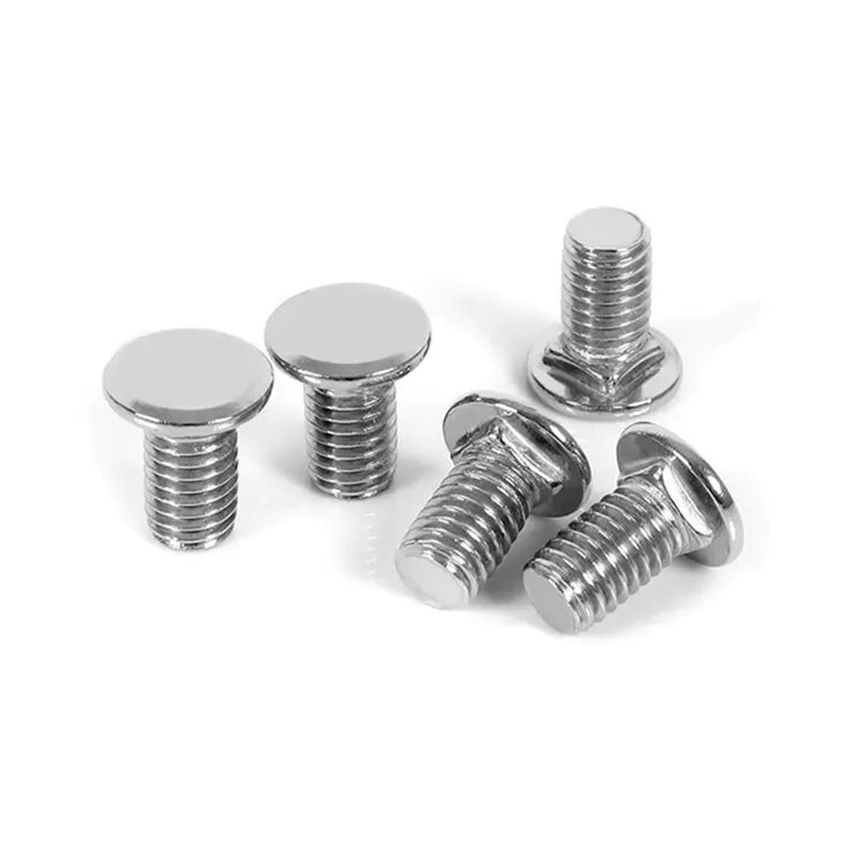
For fastener procurement, you will usually choose between two routes: standard fasteners and custom fasteners. Standard fasteners are ready-made products manufactured to international norms such as ISO, DIN and ANSI — low in cost and ideal for general applications. Custom fasteners are manufactured according to your drawings, samples or special technical parameters, built for unique, non-standard working conditions.

Which one is right for you? The answer follows a simple logic. If your project accepts common sizes and values low cost with fast delivery, choose standard fasteners. If you face non-standard dimensions, special material requirements or unique assembly constraints, choose custom fasteners. This article compares the two across specification, lead time, cost, availability and application — so you can decide with confidence.
Core Comparison Table
| Item | Standard Fasteners | Custom Fasteners |
|---|---|---|
| Specification | Follow DIN, ISO, ANSI standard sizes | Made per customer drawings / samples |
| Lead time | Short, in-stock for immediate shipment | Longer, depends on machining & surface treatment |
| MOQ | Low or no MOQ for stock items | Usually higher MOQ, some factories support low-MOQ custom |
| Unit cost | Low, mass-produced | Higher, tooling & setup cost included |
| Availability | Wide supplier selection | Limited to manufacturers with CNC & custom capacity |
| Application | General machinery, common assembly | Special equipment, non-standard structures, unique installation space |
Standard Fasteners
Standard fasteners follow international public standards including ISO, DIN and ANSI. Their dimensions, material and surface treatment are fixed by the standard, which means they are produced in enormous volumes around the world and stocked by thousands of distributors.
Advantages
- Low unit price, mass-produced globally. Economy of scale makes standard fasteners the cheapest way to bolt anything together.
- Short delivery time, many items kept in stock. Most common sizes and grades can ship immediately — no waiting for production.
- Easy to source from multiple suppliers. Standardization means any distributor can supply the same product, keeping you competitive and secure.
- Convenient replacement and after-sales maintenance. If a standard fastener fails, a like-for-like replacement is available anywhere, anytime.
Disadvantages
- Cannot fit special-size or special-structure requirements. When your design calls for an unusual length, head shape or thread, the standard catalog stops at the boundary of its size range.
- Limited options for special material and unique surface treatment. If you need an exotic alloy, a special coating or a non-standard strength class, standard products rarely cover it.
- Not suitable for special-shaped installation space. Tight, angled or confined assembly positions often demand a geometry no standard fastener offers.
Custom Fasteners
Custom fasteners are machined based on customer drawings, samples or special technical parameters. They include custom bolts, nuts, pins and CNC turning parts — manufactured to fit your design exactly rather than the other way around.
Advantages
- Fully match your mechanical structure and installation space. The fastener is designed around your assembly, eliminating compromises and rework.
- Flexible choice on material, dimension, thread type and surface treatment. Need 316 stainless with passivation and a non-standard thread pitch? A custom manufacturer can deliver exactly that combination.
- Solve problems that standard fasteners cannot satisfy. Non-standard sizes, unique head styles, special strength and environmental requirements all become achievable.
- Support special-project and special-equipment demands. Prototypes, OEM equipment and niche industries rely on custom fasteners to turn designs into working hardware.
Disadvantages
- Higher unit cost due to tooling and setup work. Each custom order carries machining setup, tooling and engineering costs that mass production spreads across millions of parts.
- Longer production lead time. Drawing review, material procurement, machining and surface treatment all add weeks to delivery.
- MOQ requirement varies from factory to factory. Some shops demand large minimum orders; others specialize in low-MOQ custom work — you must qualify the supplier.
- Supplier must have real custom-machining capability. Not every fastener seller can machine to drawing; genuine CNC and custom production capacity is required.
How to Choose
Pick standard fasteners when: your project accepts common ISO/DIN sizes, you want low cost, and you need fast delivery with easy replacement.
Pick custom fasteners when: you have non-standard dimensions, special material needs, unique surface treatment requirements, or assembly constraints that standard products cannot accommodate.
Decision Checklist
- Check your drawing. Does it reference a standard size and grade? → Standard.
- Check the environment. Special corrosion, temperature or chemical exposure? → Custom material options.
- Check the space. Does the assembly position allow a standard head and length? → Standard; otherwise custom.
- Check the schedule. Immediate need? → Stock standard items. Long lead time acceptable? → Custom.
- Check quantity and budget. High volume, tight budget → standard. Low volume, unique spec → custom, and ask about low-MOQ support.
Conclusion
Standard fasteners win on price, speed and availability; custom fasteners win on fit, material flexibility and the ability to solve problems the catalog cannot. Choose standard when the application is common and the budget is tight; choose custom when your design demands it. And when in doubt, ask the manufacturer — a good custom fastener supplier will tell you honestly which route your drawing truly needs.
FAQ
Q: Are custom fasteners more expensive than standard ones?
A: Yes. Tooling, setup and small‑batch machining bring higher costs compared with mass‑produced standard fasteners.
Q: Can custom fastener manufacturers also supply standard fasteners?
A: Many Chinese fastener factories supply both standard and custom items, which simplifies one‑stop procurement.
Q: What documents do I need to order custom fasteners?
A: Technical drawings with dimension tolerances, material requirements and surface‑treatment specifications. Physical samples are also acceptable.
Q: Is low‑MOQ custom fastener order possible?
A: Some manufacturers support low‑MOQ custom orders. MOQ varies by material, complexity and tooling situation.
HKTL Fastener provides both standard and OEM & ODM custom fasteners for global industrial clients.