
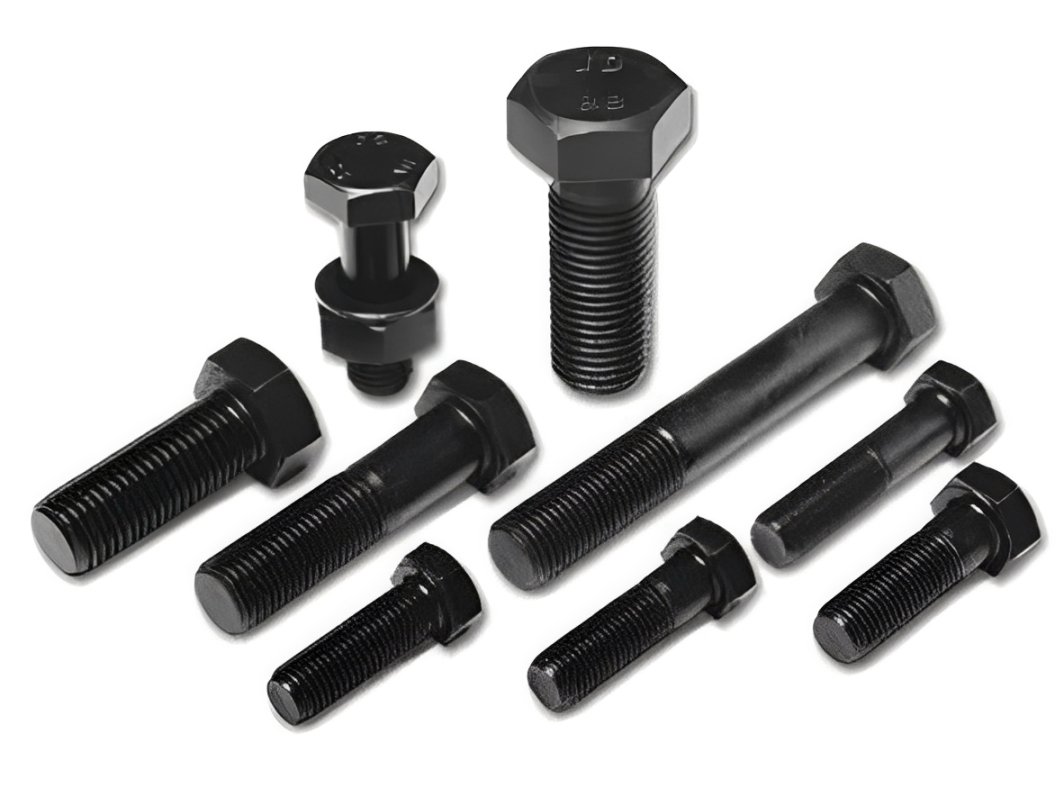
In the precise world of industrial manufacturing, every fastening connection bears the dual mission of safety and efficiency. ANSI/ASME B18.2.1, as the authoritative standard for American standard hex bolts, defines the core specifications from dimensional accuracy to performance limits.
Whether it is the fixation of core components in mechanical manufacturing or high-strength connections in building structures, hex bolts that comply with this standard are the “industrial sinews” ensuring the stable operation of equipment.
This article will systematically interpret the technical essence, selection skills, and industry value of ANSI/ASME B18.2.1 hex bolts in combination with the latest standard requirements and practical application experience, helping enterprises achieve precise procurement and efficient application.
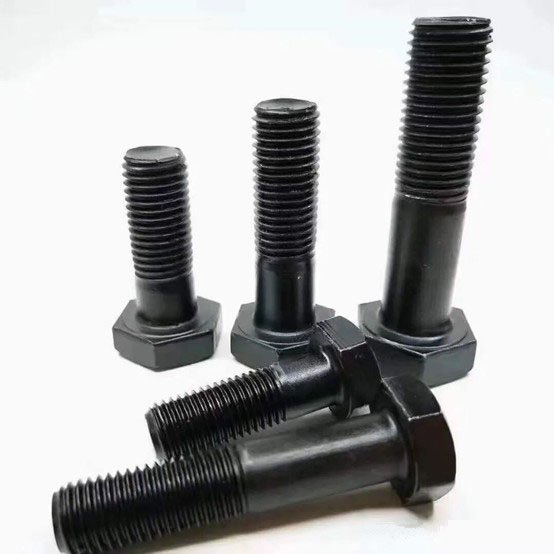
I. Cognitive Foundation: The Core Positioning of ANSI/ASME B18.2.1 Standard
Before delving into the technical details of hexagon socket head cap screws, it is essential to understand the core value of the ANSI/ASME B18.2.1 standard – it is not merely a set of dimensional specifications but also the “common language” for quality control and application safety of American standard fasteners.
Whether for domestic American enterprises or Chinese manufacturing companies integrating into the global market, mastering this standard is fundamental for achieving global supply chain synergy.
1.1 Basic Attributes of the Standard: Authoritative Source and Applicability
The full title of ANSI/ASME B18.2.1 is “Square Head, Hexagon Head, Hexagon Heavy Hex Head, and Hexagon Slotted Head Bolts and Hexagon Head Screws (Inch Series)”. It was developed by the American Society of Mechanical Engineers (ASME) and is globally recognized as the authoritative standard for American standard bolts.
The latest valid version is ASME B18.2.1-2012(R2021), which was released in 2012 and reaffirmed in 2021. The “R2021” designation indicates that this version has undergone the latest technical review to ensure its content aligns with current industrial needs.
The scope of application of this standard is clearly defined:
• Specification coverage: It covers the full range of imperial series hex bolts with nominal diameters from 1/4 inch (approximately 6.35 mm) to 4 inches (approximately 101.6 mm), meeting the diverse needs from small equipment to heavy machinery.
• Product types: It explicitly includes three core types of standard hex bolts (Hex Bolt), hex cap screws (Hex Cap Screw), and heavy hex bolts (Heavy Hex Bolt), as well as special categories such as slotted head bolts.
• Technical scope: It stipulates the technical requirements in all dimensions, including head size, thread parameters, shank diameter tolerance, material properties, and surface treatment, providing a unified basis for design, manufacturing, and inspection.
Special note: ANSI/ASME B18.2.1 is only applicable to imperial series bolts and belongs to a different system from metric bolts’ ISO standards (such as ISO 4014). Strict distinction must be made during procurement and application to avoid assembly failure due to unit confusion.
1.2 Core Significance of the Standard: Why Must Enterprises Comply?
For manufacturing enterprises, engineering units, and procurement departments, adhering to the ANSI/ASME B18.2.1 standard is not merely a “formality”, but a key to ensuring production safety and reducing cost risks:
1. Compatibility Assurance: Bolts that conform to the standard can be perfectly matched with complementary parts such as ASME B18.2.2 (American standard for nuts), avoiding assembly issues like jamming and loose connections due to dimensional deviations. This is particularly crucial in the maintenance of imported equipment and cross-border project collaborations.
2. Quality Control: The standard’s clear stipulations on material properties and processing accuracy provide enterprises with quantifiable quality inspection indicators, effectively preventing safety hazards such as fractures and failures caused by substandard bolts. According to industrial statistics, approximately 30% of equipment failures are directly related to substandard fasteners.
3. Market Access Threshold: For mechanical products and components entering the North American market, their fasteners must comply with ASME series standards. Adhering to B18.2.1 is a “pass” for enterprises to expand into international markets.
4. Cost Optimization: Standardized production and procurement can reduce customization costs and minimize inventory overstock due to specification confusion, thereby enhancing supply chain efficiency.
II. Core of the Product: Types and Technical Parameters of ANSI/ASME B18.2.1 Hexagon Head Bolts
The “value core” of hexagon head bolts lies in their precise technical parameters and scenario-specific type designs. ANSI/ASME B18.2.1 differentiates the specifications of various types of bolts in terms of dimensions and performance, achieving the industrial demand of “one type of product suitable for multiple scenarios”. The following will provide a detailed analysis from three dimensions: product types, key parameters, and tolerance requirements.
2.1 Three Core Types: Precisely Matching Different Application Needs
ANSI/ASME B18.2.1 categorizes hexagon head bolts into three mainstream types, with core differences in head dimensions, strength characteristics, and applicable scenarios. Enterprises need to select the appropriate type based on actual needs:
2.1.1 Standard Hexagon Bolt (Hex Bolt): The “Basic Model” for General Industry
The standard hexagon bolt is the most widely used category. Its head design balances strength and versatility, with dimensions such as head thickness and across flats following the “medium strength” principle, making it suitable for general industrial scenarios without special torque requirements.
• Key Features: The tolerance range of the rod diameter is moderate (e.g., for a 1/2-inch bolt, the maximum rod diameter is 0.515 inches and the minimum is 0.482 inches), the radius of the head fillet is relatively small (typically 0.03-0.06 inches), the processing cost is low, and it is suitable for bulk purchasing.
• Typical Applications: Fixing components of general machinery and equipment, connecting internal structures of household appliances, and joining non-load-bearing parts of light steel structures, etc. For instance, a certain machine tool factory’s ordinary lathes extensively use 1/2″-13 UNC standard hex bolts for the connection between the bed and the support.
2.1.2 Hex Cap Screw: The “Precision Model” for Precise Scenarios
The core difference between hex cap screws and standard hex bolts lies in their “higher precision” – the tolerance range of the head height and rod length is reduced, and the thread precision grade is improved, making them particularly suitable for scenarios with limited space or high assembly precision requirements.
• Key Features: Taking the 1-inch specification as an example, the tolerance of the head height of a hex cap screw is ±0.03 inches, while that of a standard bolt is ±0.06 inches; the tolerance of the rod length is controlled within -0.03 inches (≤3 inches in length), effectively avoiding assembly interference due to dimensional deviations.
• Typical Applications: Precise connections of automotive chassis components, fixation of auxiliary structures in aerospace equipment, and connections of internal circuit supports in instruments and meters, etc. A certain new energy vehicle enterprise uses 5/8″-18 UNF hex cap screws to fix the battery pack, ensuring the precision of the battery pack’s fit with the vehicle body.
2.1.3 Heavy Hex Bolt: The “Powerful Model” for High-Torque Scenarios
Heavy hex bolts are a special category designed for high-torque and high-strength connections. Their head dimensions (across flats width, head height) are significantly larger than those of standard types, providing a larger wrench contact area to prevent “slipping” during tightening, and the rod has higher strength, suitable for withstanding large loads.
• Key Features: Taking the 3/4-inch specification as an example, the across flats width of a heavy bolt is 1.250 inches (1.125 inches for standard type), the across corners width reaches 1.443 inches, the head height is the same as the standard type but with higher material strength, typically made of Grade 8 or B7 and other high-strength materials.
• Typical Applications: Connections of wind turbine towers, fixation of load-bearing parts in bridge steel structures, and flange connections in petrochemical pipelines, etc. A certain wind power enterprise’s 2.5MW wind turbine tower uses 1-1/2″-6 UNC heavy hex bolts, with each bolt capable of withstanding up to 150kN of tensile force.
2.2 Key Technical Parameters: The “Core Indicators” Determining Bolt Performance
ANSI/ASME B18.2.1 precisely quantifies the technical parameters of bolts, which directly determine the bolt’s adaptability, strength, and service life. The following interprets the six most critical parameters in combination with the standard text and practical applications:
2.2.1 Nominal Diameter and Rod Diameter: The “Basic Dimensions” of Connection
The nominal diameter (Nominal Diameter) is the core identifier of the bolt specification, referring to the maximum outer diameter of the thread, measured in inches; the rod diameter (Body Diameter) is the diameter of the bolt’s non-threaded part, and its tolerance range directly affects the fit precision with the connected parts.
The standard stipulates that the rod diameter is usually slightly larger than the nominal diameter (e.g., for a 1/4-inch bolt, the nominal diameter is 0.2500 inches, and the maximum rod diameter is 0.260 inches), ensuring that the bolt still maintains sufficient rod strength after thread processing. For scenarios with significant loads, products with smaller rod diameter tolerances should be prioritized to avoid shear fractures due to overly thin rods.
2.2.2 Head Dimensions: The “Double Guarantee” for Assembly and Strength The head dimensions of a wrench include three key indicators: flats width (F), corners width (G), and head height (H). These dimensions are crucial for ensuring the wrench fits properly and the head has sufficient strength to withstand pressure:
– Flats width (F): This is the most critical assembly parameter. According to standards, for a 1/2-inch bolt, the flats width should be 0.750 inches (max) and 0.725 inches (min). If the actual size exceeds this range, the wrench may not grip properly or may slip, affecting the control of preload.
– Corners width (G): This is an auxiliary parameter used to detect manufacturing defects in the head, such as hexagonal deformation. It is typically about 1.732 times the flats width.
– Head height (H): This directly affects the strength of the head. For a standard 1/2-inch bolt, the head height should be 0.364 inches (max) and 0.302 inches (min). If the height is insufficient, the head may be crushed during tightening; if it is too high, it may interfere with surrounding components.
2.2.3 Thread Parameters: The “Core Element” of Connection Reliability
Thread parameters include thread series (UNC/UNF/UNEF), threads per inch (TPI), and thread length (Lₜ), which directly determine the thread engagement depth and load-bearing capacity:
1. Thread Series: UNC (Coarse Thread Series): Larger pitch, higher strength, suitable for general connection scenarios, such as 1/2-inch UNC thread with 13 TPI.
2. UNF (Fine Thread Series): Smaller pitch, better sealing, suitable for vibration environments, such as 1/2-inch UNF thread with 20 TPI.
3. UNEF (Extra Fine Thread Series): More threads, higher precision, suitable for precision instruments, such as 1/2-inch UNEF thread with 28 TPI.
4. Thread Length (Lₜ): The standard specifies the calculation formula for thread length – when the total bolt length L ≤ 6 inches, Lₜ = 2d + 1/4 inch; when L > 6 inches, Lₜ = 2d + 1/2 inch (d is the nominal diameter). For example, for a 2-inch long 1/2-inch bolt, the thread length is 1.250 inches, ensuring sufficient engagement depth after being screwed into the nut.
2.2.4 Fillet Radius (R): The “Detail Design” for Fatigue Resistance
The fillet radius (R) at the transition between the bolt head and shank is a critical parameter often overlooked. The standard specifies its range as 0.01 to 0.19 inches (depending on the specification). The fillet design reduces stress concentration and prevents fatigue fractures in bolts under repeated vibration or alternating loads – in high-frequency vibration scenarios such as in automotive engines, bolts with an unqualified fillet radius have a 50% or higher risk of fracture.
2.2.5 Length Tolerance: The “Invisible Defense” for Assembly Precision
The total length (L) of a bolt is the distance from the top of the head to the end of the shank. The tolerance range varies with length: -0.03 inches for lengths ≤ 3 inches, -0.06 inches for lengths > 3 to 6 inches, and -0.12 inches for lengths > 6 to 12 inches. A bolt that is too short will result in insufficient thread engagement, while one that is too long will increase costs and may interfere with other components. When purchasing, the total thickness of the connected parts should be precisely calculated.
2.2.6 Performance Grade: The “Quantitative Indicator” of Strength
The performance grade is the core indicator of bolt strength. ANSI/ASME B18.2.1 defines different grades based on tensile strength, yield strength, and other parameters. Common grades include Grade 2, Grade 5, and Grade 8, with higher grades indicating higher strength (specific parameters are detailed in the third part of this article). When selecting, the “match load” principle should be followed to avoid “overkill” and increased costs or “underkill” and safety accidents.
2.3 Core Parameter Table: Quick Reference and Selection Guide
To facilitate quick reference by enterprises, the following table summarizes the core parameters of the most commonly used specifications in ANSI/ASME B18.2.1 (units: inches), covering standard and heavy hex bolts. All data are sourced from the original text of ASME B18.2.1-2012(R2021) standard:
Table 1: Core Parameters of Standard Hex Bolts (1/4″ – 1-inch Specifications)
| Nominal Diameter | Shank Diameter (E) max/min | Width Across Flats (F) max/min | Head Height (H) max/min | Fillet Radius (R) max/min | UNC Threads Per Inch | Thread Length (Lₜ) ≤6″/>6″ |
| 1/4 (0.2500) | 0.260 / 0.237 | 0.438 / 0.425 | 0.188 / 0.150 | 0.03 / 0.01 | 20 | 0.750 / 1.000 |
| 5/16 (0.3125) | 0.324 / 0.298 | 0.500 / 0.484 | 0.235 / 0.195 | 0.03 / 0.01 | 18 | 0.875 / 1.125 |
| 3/8 (0.3750) | 0.388 / 0.360 | 0.562 / 0.544 | 0.268 / 0.226 | 0.03 / 0.01 | 16 | 1.000 / 1.250 |
| 1/2 (0.5000) | 0.515 / 0.482 | 0.750 / 0.725 | 0.364 / 0.302 | 0.03 / 0.01 | 13 | 1.250 / 1.500 |
| 5/8 (0.6250) | 0.642 / 0.605 | 0.938 / 0.906 | 0.444 / 0.378 | 0.06 / 0.02 | 11 | 1.500 / 1.750 |
| 3/4 (0.7500) | 0.768 / 0.729 | 1.125 / 1.088 | 0.524 / 0.455 | 0.06 / 0.02 | 10 | 1.750 / 2.000 |
| 1 (1.0000) | 1.022 / 0.976 | 1.500 / 1.450 | 0.700 / 0.591 | 0.09 / 0.03 | 8 | 2.250 / 2.500 |
Table 2: Core Parameters of Heavy-Duty Hexagon Bolts (3/8″-1 inch Specifications)
| Nominal Diameter | Shank Diameter (E) max/min | Width Across Flats (F) max/min | Head Height (H) max/min | UNC Threads Per Inch | Thread Length (Lₜ) ≤6″/>6″ |
|---|---|---|---|---|---|
| 3/8 (0.3750) | 0.388 / 0.360 | 0.688 / 0.669 | 0.268 / 0.226 | 16 | 1.000 / 1.250 |
| 1/2 (0.5000) | 0.515 / 0.482 | 0.875 / 0.850 | 0.364 / 0.302 | 13 | 1.250 / 1.500 |
| 5/8 (0.6250) | 0.642 / 0.605 | 1.062 / 1.031 | 0.444 / 0.378 | 11 | 1.500 / 1.750 |
| 3/4 (0.7500) | 0.768 / 0.729 | 1.250 / 1.212 | 0.524 / 0.455 | 10 | 1.750 / 2.000 |
| 1 (1.0000) | 1.022 / 0.976 | 1.625 / 1.575 | 0.700 / 0.591 | 8 | 2.250 / 2.500 |
III. Material and Performance: The “Strength Code” of ANSI/ASME B18.2.1 Bolts
Material is the “fundamental factor” determining the performance of bolts. ANSI/ASME B18.2.1 not only stipulates the performance indicators of different materials but also clarifies the corresponding execution standards and application scenarios.
When enterprises select types, they need to comprehensively judge based on load requirements, environmental conditions (corrosion, temperature, etc.) to avoid bolt failure due to incorrect material selection.
3.1 Four Main Material Systems: Covering All Scene Demands
According to the ASME B18.2.1 standard and the corresponding ASTM material standards, the materials of hexagon bolts mainly include carbon steel, stainless steel, titanium alloy, and special alloys. Each system has different grades, suitable for various demands from general environments to extreme working conditions.
3.2 Carbon Steel Series: Cost-effective Choice, Suitable for General Scenarios
Carbon steel is the most commonly used material for hexagon bolts. Different strength grades are achieved by adjusting carbon content and heat treatment processes. It has a low cost and is suitable for general industrial scenarios without special corrosion or temperature requirements. The carbon steel grades and performance specified in ANSI/ASME B18.2.1 are as follows:
Table 3: Performance Grade Parameters of Carbon Steel Bolts
| Property Class | Tensile Strength (ksi/MPa) | Yield Strength (ksi/MPa) | Typical Material | Applicable Standard | Heat Treatment | Core Applications |
|---|---|---|---|---|---|---|
| Grade 2 | 60 / 414 | – / Not required | Low carbon steel (C ≤ 0.25%) | ASTM A307 | Normalizing | Light equipment, furniture, non‑load‑bearing structures |
| Grade 5 | 120 / 827 | 85 / 586 | Medium carbon alloy steel (SAE 5140) | ASTM A449 / SAE J429 | Quenching + medium temperature tempering | Machinery manufacturing, automotive chassis, motor housings |
| Grade 8 | 150 / 1034 | 130 / 896 | Medium carbon alloy steel (C 0.30%–0.50%) | ASTM A449 / SAE J429 | Quenching + low temperature tempering | High‑strength structures, wind power equipment, heavy machinery |
| Grade 8.2 | 170 / 1172 | 150 / 1034 | High carbon alloy steel | ASTM A354 | Quenching + tempering | Ultra‑high pressure equipment, aerospace auxiliary structures |
Core advantages and precautions of carbon steel bolts:
Advantages: Low cost (only 1/3 – 1/2 of stainless steel), good processing performance, wide range of strength adjustment, suitable for bulk purchase;
Precautions: Poor corrosion resistance, prone to rust in humid, acidic, and alkaline environments. Surface treatments such as galvanizing (hot-dip galvanizing, electro-galvanizing), zinc diffusion, etc., are required to improve corrosion resistance; High-carbon steel bolts like Grade 8 are prone to hydrogen embrittlement and require dehydrogenation treatment.
3.3 Stainless Steel Series: Corrosion-resistant Pioneer, Suitable for Harsh Environments
Stainless steel bolts are the preferred choice for humid, acidic, alkaline, and marine environments due to their excellent corrosion resistance. ANSI/ASME B18.2.1 mainly adopts austenitic stainless steel (304, 316 series), and their performance grades are distinguished by “A2”, “A4”, “B8”, etc. The core parameters are as follows:
Table 4: Stainless steel bolt performance grade parameters
| Property Class | Material Series | Tensile Strength (min MPa) | Corrosion Resistance Characteristics | Applicable Standard | Core Applications |
|---|---|---|---|---|---|
| A2-70 | 304 / 304L | 700 | Resistant to atmosphere, fresh water, weak acid and alkali corrosion | ASTM A320 | Food machinery, medical equipment, architectural decoration |
| A2-80 | 304HC (High Copper) | 800 | Same corrosion resistance as A2-70, with higher strength | ASTM A320 | Precision instruments, electronic equipment, marine interior |
| A4-70 | 316 / 316L | 700 | Resistant to seawater, strong acid and alkali, high-temperature corrosion | ASTM A320 | Offshore engineering, petrochemical industry, coastal construction |
| B8 | 304 / 304L | 515 | High temperature resistant (≤ 800 °F / 427 °C) | ASTM A320 | Boilers, heat exchangers, high-temperature pipeline connections |
| B8M | 316 / 316L | 515 | High temperature resistant + strong corrosion resistant | ASTM A320 | Chemical reactors, nuclear power equipment, offshore wind power |
“Bite risk” of stainless steel bolts: Stainless steel has good ductility. If the torque is too large during tightening, the thread may bite (get stuck). It is recommended to use a lubricant (such as molybdenum disulfide) and control the preload torque to not exceed 80% of the rated value.
3.4 Titanium alloy series: Lightweight champion, suitable for high-end scenarios
Titanium alloy bolts have the core advantages of “high strength, lightweight, and resistance to extreme environments”. Their density is only half that of carbon steel, but their strength is comparable to Grade 8 carbon steel. They are the preferred material in high-end fields such as aerospace and high-end medical equipment.
The recommended titanium alloy grades and applications in ANSI/ASME B18.2.1 are as follows:
• Grade 2 pure titanium: Tensile strength 485 MPa, excellent corrosion resistance, suitable for medical devices (such as artificial joint fixation), marine exploration equipment, and other scenarios without high strength requirements;
• Grade 5 titanium alloy (Ti-6Al-4V): Tensile strength 930 MPa, strength close to Grade 8 carbon steel, suitable for aerospace equipment (such as aircraft engine component fixation), racing car chassis connection, and other high-end scenarios;
• Grade 7 titanium alloy (Ti-0.15Pd): Adds palladium to Grade 2, further enhancing corrosion resistance, suitable for chemical, nuclear power, and other highly corrosive environments. The only disadvantage of titanium alloy bolts is their high cost (about 5-10 times that of stainless steel), so they are only used in high-end scenarios with special requirements.
3.5 Special alloy series: Exclusive solutions for extreme conditions
For high-temperature, low-temperature, high-pressure, and other extreme conditions, ANSI/ASME B18.2.1 recommends using bolts made of special alloy materials. These materials achieve adaptability to extreme environments by adding elements such as chromium, molybdenum, and nickel:
Table 5: Core parameters and applications of special alloy bolts
| Material Grade | Core Composition | Temperature Range | Tensile Strength (MPa) | Core Applications |
|---|---|---|---|---|
| B7 | Chromium-molybdenum alloy steel (Cr-Mo) | ≤ 800 °F (427 °C) | 860 | Power station boilers, refinery equipment, high-temperature pipelines |
| L7M | Low-carbon martensitic stainless steel | ≥ -100 °F (-73 °C) | 760 | LNG storage tanks, low-temperature cold storage equipment, polar detection instruments |
| Inconel 718 | Nickel-chromium-iron alloy | ≤ 1300 °F (704 °C) | 1380 | Aero-engines, rocket propellers, nuclear reactors |
| Hastelloy C-276 | Nickel-molybdenum-chromium alloy | ≤ 1900 °F (1038 °C) | 860 | Chemical reactors, sulfuric acid production equipment, high-temperature furnaces |
3.6 “Golden rule” for material selection
When enterprises choose bolt materials, they should follow the principle of “scene matching and cost control”, avoiding blindly pursuing high-grade materials or excessively compressing costs. The following are material selection suggestions for different scenarios:
• General industrial scenarios (non-corrosive, normal temperature): Grade 2/5 carbon steel bolts with surface galvanization are preferred, offering the lowest cost;
• Moderate strength requirements (mechanical manufacturing, automotive): Grade 5 carbon steel or A2-80 stainless steel should be selected, balancing strength and cost;
• Corrosive environments (humid, coastal, chemical): A2-70 (weak corrosion), A4-70 (moderate to strong corrosion), and B8M (strong corrosion) should be chosen based on the degree of corrosion;
• High/low temperature conditions: B7/Inconel 718 for high temperature and L7M for low temperature;
• High-end lightweight requirements (aerospace, racing): Grade 5 titanium alloy should be selected;
• Food/medical scenarios: A2-70/A4-70 stainless steel must be chosen to ensure no heavy metal leaching.
IV. Application scenarios: The “industrial stage” of ANSI/ASME B18.2.1 bolts
The application of ANSI/ASME B18.2.1 hex bolts covers almost all industrial fields. Their standardized design and diverse material options make them the “all-rounders” in connection solutions. The following will analyze the application points and selection techniques of bolts in different fields through specific industry cases.
4.1 Mechanical manufacturing industry: The “core connection component” for stable equipment operation
Mechanical manufacturing is the largest application field of ANSI/ASME B18.2.1 bolts, from ordinary machine tools to heavy machinery, the connection reliability of bolts directly determines the accuracy and service life of the equipment.
Typical application case:
A CNC machining center produced by a certain machine tool factory, the connection between the spindle box and the bed uses 1-1/4″-7 UNC specification Grade 8 carbon steel bolts, with a heavy hex head design, ensuring stable connection even under the vibration generated by high-speed cutting.
The bolts are treated with hot-dip galvanization to prevent rust in the humid workshop environment, and the thread length is precisely calculated to be 3.000 inches based on the thickness of the spindle box, ensuring that two thread teeth are exposed after being screwed into the bed.
Selection points:
• Choose the strength grade based on the equipment load: Grade 5 for ordinary machine tools and Grade 8 for heavy machine tools;
• For the connection of moving parts, hex head screws (high precision) should be selected, and standard hex bolts for fixed parts;
• When the workshop environment is humid, carbon steel bolts need to be treated with galvanization or Dacromet, or stainless steel can be directly selected.
4.2 Construction and steel structure industry: The “industrial sinew” for bearing safety
In the construction and steel structure field, ANSI/ASME B18.2.1 heavy hex bolts are the core connection components, especially in steel structure buildings in North America, their strength and reliability directly relate to the safety of the building.
Typical application case:
The connection between steel columns and steel beams in a certain steel structure office building in the United States uses 2-1/2″-4 UNC specification Grade 8.2 carbon steel bolts, each bolt can withstand a tensile force of 200kN, and is used in conjunction with ASME B18.2.2 Grade 8 nuts to ensure the stability of the steel structure under extreme conditions such as earthquakes and strong winds. The bolt length is calculated based on the total thickness of the steel column and steel beam to be 5.250 inches, meeting the standard thread length requirements.
Selection points:
• Heavy hex bolts must be selected to ensure the operating space for wrenches and connection strength;
• The strength grade should not be lower than Grade 5, and Grade 8/8.2 should be used for load-bearing structures;
• For outdoor steel structures, carbon steel bolts treated with hot-dip galvanization or zinc diffusion should be selected, or A4-70 stainless steel bolts.
4.3 Automotive and transportation industry: The “double guarantee” of power and safety
The automotive industry has extremely high requirements for the precision and strength of bolts. ANSI/ASME B18.2.1 hex head screws, due to their high precision and stable strength, are the preferred choice for core components such as the car chassis and engine.
Typical application case:
The engine block and cylinder head of a pickup truck produced by an American automaker are connected with 5/8″-18 UNF A2-80 stainless steel hex head screws. These screws have a high precision grade, with the head height tolerance controlled within ±0.03 inches to avoid interference with the surrounding components of the cylinder head.
Due to the high operating temperature of the engine (up to 200°C), the A2-80 material is chosen to ensure corrosion resistance at high temperatures. The fine thread design (18 threads per inch) enhances the seal and prevents oil leakage.
Key points for selection:
• Use hex head screws with high precision for core components such as engines and chassis;
• Use A2-80/B8 stainless steel for high-temperature parts (engines) to avoid rusting at high temperatures;
• Use fine thread (UNF) for vibration parts (chassis) to enhance anti-loosening performance.
4.4 Petrochemical Industry: A “Reliable Defense” Against Corrosion and High Pressure
The bolts in the petrochemical industry must withstand high pressure, high temperature, and strong corrosion simultaneously. ANSI/ASME B18.2.1 special alloy bolts have become the “exclusive solution” in this field.
Typical application case:
The flange connection of a hydrogenation reactor in a petrochemical plant uses 1-1/2″-6 UNC B7 chromium-molybdenum alloy steel bolts, used in conjunction with B8M stainless steel nuts. The reactor operates at 350°C and 20MPa. The high-temperature resistance (≤427°C) and high strength (tensile strength 860MPa) of B7 material ensure the safety of the connection.
The bolt surface is phosphated to enhance lubrication with the nut and prevent seizing at high temperatures. The thread length is calculated to be 3.250 inches based on the flange thickness, meeting the standard requirements.
Key points for selection:
• Use B7/Inconel 718 special alloy bolts for high-temperature and high-pressure equipment;
• Use A4-70/B8M stainless steel bolts in highly corrosive environments (such as acid and alkali storage tanks);
•For flange connections, choose heavy-duty hex bolts to ensure uniform pre-tightening force.
4.5 Marine and Shipbuilding Industry: “Marine Guardians” Against Salt Spray Corrosion
The high salt spray corrosion in marine environments poses a significant challenge to bolts. ANSI/ASME B18.2.1 stainless steel bolts, with their excellent corrosion resistance, have become the “standard connection components” in shipbuilding and marine engineering.
Compared to land environments, the chloride ion concentration in marine environments is over 30 times that of fresh water. Ordinary carbon steel bolts will severely rust within a few months, while standard-compliant stainless steel bolts can achieve a maintenance-free service life of 5 to 10 years.
Typical application case:
The deck container fixing brackets of a 100,000-ton ocean-going cargo ship built by a shipyard use 3/4″-10 UNC A4-70 stainless steel heavy-duty hex bolts. The ship travels between Southeast Asia and Europe and must withstand alternating loads from high salt spray and strong waves. The molybdenum element in A4-70 material (316 stainless steel) effectively inhibits chloride ion erosion.
Combined with “passivation + Teflon coating” dual surface treatments, the corrosion resistance is further enhanced. The thread length of the bolt is designed to be 2.000 inches, precisely matching the bracket thickness to ensure that the containers do not loosen or shift in the wind and waves.
For deep-sea exploration equipment (such as underwater robots), Grade 5 titanium alloy bolts are used, which resist seawater corrosion and reduce equipment energy consumption due to their lightweight properties.
Key points for selection:
• For general ship structures (decks, hull frames), prioritize A4-70 stainless steel for a balance between cost and corrosion resistance;
• For extreme scenarios such as deep-sea equipment and offshore wind power platforms, use B8M stainless steel or Grade 7 titanium alloy;
• All marine bolts require additional surface treatments, such as passivation, Teflon coating, or hot-dip galvanizing (hot-dip galvanizing is prohibited for stainless steel to avoid hydrogen embrittlement).
• For high-temperature parts of the ship’s power system (such as exhaust pipe connections), B8 stainless steel bolts are selected, which balance high-temperature resistance and corrosion resistance.
4.6 Food and medical industries: The “invisible barrier” of hygiene and safety
The core requirements for bolts in the food and medical industries are “non-toxic, easy to clean, and corrosion-resistant”. Stainless steel bolts in the ANSI/ASME B18.2.1 standard, with their characteristics of no heavy metal leaching and smooth surface for easy disinfection, have become the inevitable choice in this field.
The standard clearly stipulates that bolts in contact with food or human tissues must comply with the material purity requirements of the ASTM A320 standard and prohibit the use of materials containing harmful elements such as lead and cadmium.
Typical application case:
In a yogurt fermentation tank of a dairy enterprise, 1/2″-13 UNC specification A2-70 stainless steel hexagon head screws are used for the connection of the stirring shaft. During the operation of the fermentation tank, it needs to be disinfected regularly with high-temperature steam (121°C). The A2-70 material can withstand this temperature without rusting.
The head of the screw is designed with a smooth rounded corner to prevent milk residue from breeding bacteria. The surface of the bolt is treated with electrolytic polishing, with a roughness Ra ≤ 0.8 μm, meeting the hygiene standards of the food industry.
In the medical field, a surgical instrument factory uses Grade 2 pure titanium bolts for the handle fixation of orthopedic surgical tools. This avoids the possible metal allergy caused by stainless steel and can withstand the high-temperature sterilization process of surgical instruments.
Key points for selection:
• A2-70 (304 stainless steel) is preferred for food contact scenarios. Acidic food (such as pickles, fruit juice) processing equipment should be selected with A4-70 (316 stainless steel);
• Medical equipment should preferably choose pure titanium or A4-70 stainless steel to ensure no sensitization risks;
• Surface treatment should choose electrolytic polishing or passivation, and avoid processes such as painting or galvanizing that may produce pollutants;
• The bolt structure should be simple to avoid cleaning dead corners caused by complex patterns.
V. Procurement and Inspection: Ensuring the “key link” of bolt quality
Even if the bolts comply with the ANSI/ASME B18.2.1 standard, if the procurement channel is not standardized or the inspection process is missing, quality problems may still occur. This section will provide a practical operation guide for enterprises from two dimensions of procurement precautions and inspection methods to avoid production losses caused by bolt quality problems.
5.1 Procurement Precautions: Avoid risks from the source
When purchasing ANSI/ASME B18.2.1 bolts from the source to avoid risks, the following four points need to be focused on to ensure that the purchased bolts meet the actual application requirements:
5.1.1 Clearly specify the specification: Avoiding “a single character difference” mistakes.
The specification of American-made bolts should follow the complete format of “nominal diameter – thread count – thread series × length – standard – performance grade”, such as “1/2″ – 13 UNC × 2″ – ASME B18.2.1 Grade 5”. When purchasing, special attention should be paid: Distinguishing “bolt” from “screw”: Bolts (Bolt) need to be used with nuts, and screws (Cap Screw) can be directly screwed into the threaded hole. They cannot be mixed;
Clearly specify the thread series: UNC (coarse thread), UNF (fine thread) cannot be substituted. In vibration scenarios, UNF fine-threaded screws must be selected; Marking material and surface treatment: such as “A2-70 passivated” “Grade 8 hot-dip galvanized”, avoid suppliers providing low-grade products by default.
5.1.2 Choose a reputable supplier: Verify qualifications and certifications. Quality suppliers are the foundation of bolt quality.
When purchasing, the three core qualifications of the supplier need to be verified: ASME B18.2.1 standard certification: Ensure that the supplier’s production process complies with standard requirements; Material proof (MTC):
• Each batch of bolts needs to provide a material analysis report to confirm that the material composition meets the requirements of the corresponding grade;
• Third-party test report: Focus on the test results of performance indicators such as tensile strength, yield strength, etc.
• It is recommended to prioritize suppliers that cooperate with international well-known enterprises, such as those providing fastening components for the automotive and aerospace industries, whose quality control system is more complete.
5.1.3 Conduct “small trials” before bulk procurement
For suppliers with the first cooperation or bolts used in special scenarios, a small batch sample purchase for trial use is required. The test contents include:
• Assembly compatibility: Assembly with matching nuts, washers, check for any jamming, screw bite problems;
• Environmental tolerance: Simulate actual application environments (such as salt spray testing, high-temperature testing), observe the corrosion and deformation of the bolts;
• Strength test: Through a tensile testing machine to test the actual tensile strength of the bolt and compare it with the standard value.
5.1.4 Pay attention to inventory and logistics: Avoid bolt “secondary damage”
Improper storage and transportation of bolts will affect their quality. When purchasing, the supplier should be requested to:
• Independent packaging: Each batch of bolts should be packaged independently according to specifications, mark batch number and production date, for easy traceability;
• Moisture-proof and rust-proof: Stainless steel bolts should be vacuum-packed, carbon steel bolts should be coated with rust-proof oil and sealed;
• Avoid compression: During transportation, use hard cardboard or iron boxes to package to prevent bolt heads from deforming and screw threads from being damaged.
5.2 Inspection Methods: Quantitative indicators to ensure quality
Bolts need to be strictly inspected before storage. The inspection items are divided into three categories: appearance inspection, size inspection, and performance inspection. Enterprises can choose full inspection or sampling inspection (the sampling ratio is recommended to be no less than 5%).
5.2.1 Visual Inspection: Observe the surface quality directly with the naked eye or a magnifying glass (10x).
Focus on checking the following defects:
• Thread Defects: No random teeth, missing teeth, cracks, etc. The thread surface should be smooth without burrs;
• Head Defects: No deformation or missing corners for hexagonal heads, and the transition round corner between the head and the shaft should be uniform;
• Surface Treatment Defects: The galvanized layer should not peel off or bulge, and the stainless steel passivation layer should not have scratches or color differences.
5.2.2 Dimension Inspection: Precisely match the design requirements using calipers, micrometers, thread gauges, etc.
According to the size requirements in the ANSI/ASME B18.2.1 standard, conduct the inspection. The core inspection items include:
| Inspection Item | Inspection Tool | Acceptance Standard |
| Nominal Diameter | Thread Micrometer | Conforms to the corresponding max/min range in the standard |
| Width Across Flats | Vernier Caliper | Tolerance not exceeding ±0.015 inch |
| Bolt Length | Steel Ruler / Caliper | Meets the tolerance requirements of the corresponding length range |
| Thread Accuracy | Thread Gauge | Go gauge shall screw in smoothly; No-go gauge shall not screw in more than 2 threads |
5.2.3 Performance Inspection: Core indicators cannot be ignored. Performance inspection is the key to determining the strength of the bolt. It is necessary to entrust a third-party testing institution or use professional equipment for the inspection.
The core inspection items include:
• Tensile Strength Test: Pull the bolt apart using a tensile testing machine, record the maximum tensile force value, which should meet the minimum value requirements of the corresponding performance grade (such as Grade 5 should be ≥ 120 ksi);
• Yield Strength Test: The tensile force value when the bolt undergoes permanent deformation. Grade 5 and above grades should meet the standards;
• Hydrogen Embrittlement Test: For high-strength carbon steel bolts (Grade 8), perform the hydrogen embrittlement test by applying 75% of the rated tensile force, soaking in distilled water at 35°C for 200 hours, and no fracture is considered qualified;
• Corrosion Resistance Test: Stainless steel bolts undergo neutral salt spray testing (NSS), A2-70 should have no rust after continuous spraying for 48 hours, and A4-70 should have no rust after continuous spraying for 100 hours.
VI. Future Trends: The Development Direction of ANSI/ASME B18.2.1
Bolts With the upgrading of industrial technology, the ANSI/ASME B18.2.1 standard is also constantly being optimized. The corresponding hexagon bolts in terms of material, process, and function show three major development trends. Enterprises that make early preparations can seize the market opportunity.
6.1 Lightweight Material: The wide application of titanium alloys and composite materials in aerospace and new energy vehicles, the proportion of titanium alloy bolts is increasing year by year.
At the same time, new composite material bolts (such as carbon fiber reinforced polymer bolts) are also emerging, with a weight of only 1/3 of carbon steel and an anti-tensile strength that can reach the level of Grade 5, and has excellent corrosion resistance. In the future, the ANSI/ASME B18.2.1 standard may add technical specifications for composite material bolts to fill the standard gap in this field.
6.2 Precise Processing: Cold forming and digital processing are popular.
The accuracy of bolts processed by traditional hot forging is low. The cold forming process can reduce the dimensional tolerance of the bolt to ±0.005 inches, and the metal fibers are continuous, with an anti-tensile strength that can reach the level of Grade 5, and has excellent corrosion resistance. In the future, the precision processing will become the core competitiveness of ANSI/ASME B18.2.1 bolts.
6.3 Intelligent Function: Traceability and status monitoring become possible in high-end equipment fields.
“Intelligent Bolts” have begun to be applied in this field. By implanting RFID chips in the bolt head, full life cycle traceability (including production batch, material, inspection results, installation time, etc.) can be achieved.
Some high-end bolts also incorporate stress sensors, which can monitor the changes in the pre-tightening force of the bolts in real time and issue early warnings for loosening risks. With the advancement of Industry 4.0, intelligent functions will become an important development direction for ANSI/ASME B18.2.1 bolts.
6.4 Standard Greening: Environmental Processes and Recyclable Materials are Valued
In the North American market, environmental requirements are becoming increasingly strict. The ANSI/ASME B18.2.1 standard may add environmental clauses in the future, restricting the use of high-pollution surface treatment processes (such as electro-galvanizing), promoting environmentally friendly processes like chrome-free passivation and water-based coatings.
At the same time, the proportion of recyclable stainless steel materials (such as 316L recycled materials) will increase, achieving green production and recycling of fasteners.
VII. Conclusion: Based on Standards, Build the “Safety Line” of Industrial Connections
The ANSI/ASME B18.2.1 hexagon bolts may seem like “small components” in the industrial field, but they carry the “big responsibility” of equipment safety and engineering stability. From the fixation of ordinary mechanical components to high-end connections in aerospace, from damp workshop environments to harsh marine conditions, bolts that comply with this standard have always been the “industrial bones” ensuring the efficient operation of industrial production.
For enterprises, mastering the technical essence of ANSI/ASME B18.2.1 standards, accurately selecting materials and specifications, strictly controlling procurement and inspection processes, not only can avoid quality risks, but also can enhance product competitiveness, laying the foundation for expanding the international market.
This article covers the standard interpretation, technical parameters, material selection, industry application, procurement inspection and development trends of ANSI/ASME B18.2.1 hexagon bolts, providing a comprehensive practical guide for enterprises.
If you need a specialized solution for a certain field or need custom-made bolt products that comply with the standard, you can contact us at any time. We will provide professional technology and high-quality products to help your enterprise achieve safer and more efficient industrial connections.
If you are looking for suitable bolts and nuts, please visit us here https://hktl-fastener.com/bolts-and-nuts/.