
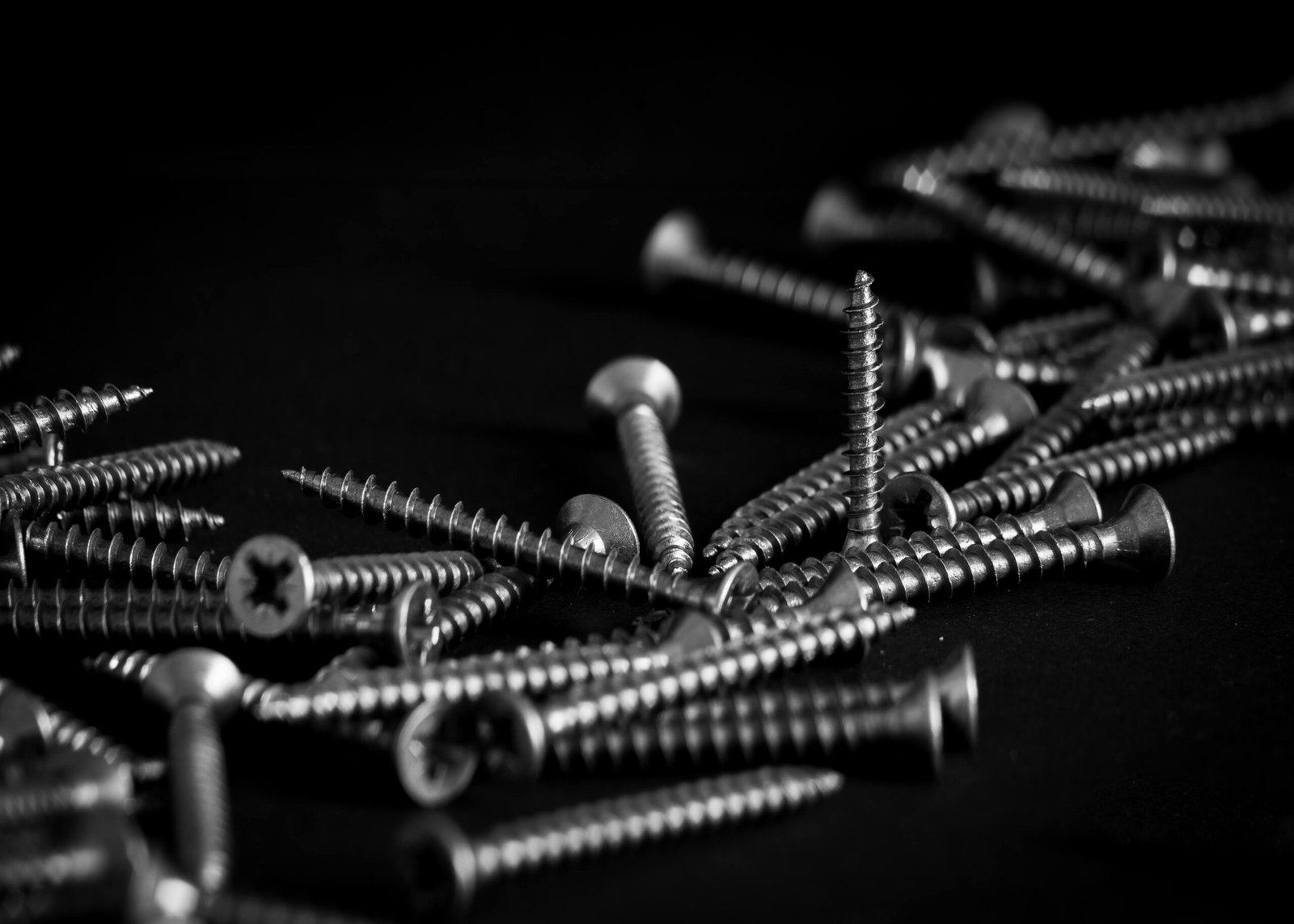
Commonly used material standard parts for fasteners include:
ISO (International)
GB (China)
DIN (Germany)
AISI/SAE (USA)
JIS (Japan)
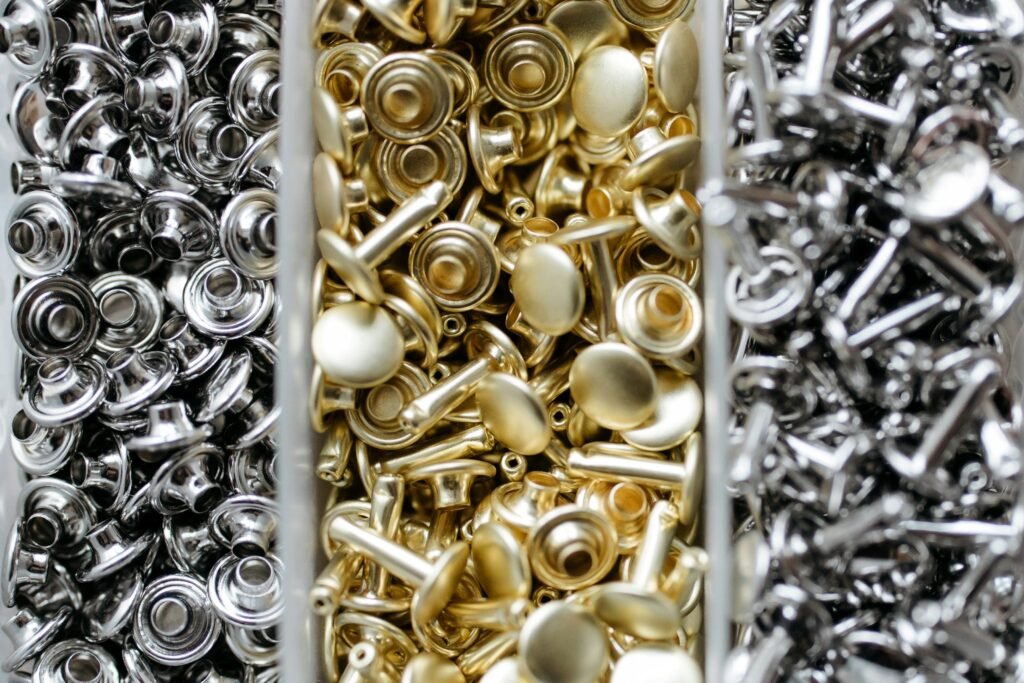
Materials for external threads such as bolts
For some low-carbon steel fasteners without mechanical performance requirements or of ISO Class 4.8 and SAE Grade 1-2, Q235A, SAE 1015, and DIN C15 are sufficient. No heat treatment is needed; they can be directly cold-formed. For slightly higher-grade fasteners such as ISO Class 6.8 and SAE Grade 3-4, steels with a carbon content of over 0.2% are required, such as C1020, C1022, ML20, and ML35.
These screws also do not need heat treatment; cold working strength is sufficient. In fact, the higher the carbon content, the more difficult cold forming becomes. There is no need to use high-grade materials for 6.8-class screws, except in special cases.
The most commonly used are ISO Class 8.8 and SAE Grade 5 screws, which are generally made of medium carbon steel, such as ML35, SAE 1035, DIN 35, and JIS SWRCH35K, and are heat-treated (quenching + tempering).
SAE 5140 and 40Cr can also be used. The addition of alloy elements greatly improves the quenchability of heat treatment, so for larger-sized screws, alloy steel can be chosen to avoid the “inadequate quenching” phenomenon in the center of medium carbon steel screws.
For ISO Class 9.8, 10.9, and SAE Grade 8, low to medium alloy steel materials are required, which are heat-treated (quenching + tempering). Using alloy materials provides a good balance in mechanical properties.
Commonly used materials include 40Cr, 35CrMo, SAE 5140, SCM435, SAE 4135, SAE 4137, JIS SCr440(H), and DIN 41Cr4. In fact, 45# steel can also meet the mechanical performance requirements, but its overall mechanical properties are slightly inferior to those of alloy steel.
For ISO Class 12.9, SATM A574, which is a high-strength bolt with high mechanical performance requirements, medium carbon alloy steel is required after heat treatment (quenching + tempering), such as SCM435, 35CrMo, SAE 4137, SAE 4135, and DIN 34CrMo4. If surface treatment involves acid washing, hydrogen embrittlement may occur, so a dehydrogenation process is necessary (especially for fasteners with sharp corners).
Materials for nuts and other internal threads
For those without mechanical performance requirements or ISO Class 5-6, SAE Grade 3-4, materials such as C1010, Q235A or C15 are generally used. No heat treatment is required; cold working is sufficient. For ISO Class 8 and SAE Grade 5, materials like M135, SAE1035, or DIN C35 are typically used.
Small-sized nuts can meet the mechanical performance requirements without heat treatment, while larger ones need to undergo heat treatment (quenching + tempering), as clearly stated in GB3098.2.
For ISO Class 10 and SAE Grade 8, medium carbon steel after heat treatment can meet the strength requirements. Materials such as SAE1035 are commonly used. It is important to note that nuts and bolts are different in terms of force application; nuts are mainly subjected to compression rather than tension.
Therefore, the strength of nuts is not only related to the material but also to many factors, including precision, pitch, internal chamfer of the nut, and nut thickness.
Materials for flat washers
Flat washers without mechanical performance requirements are generally made from scrap materials such as Q235A. When there are hardness requirements but not very high, thicker plate materials can be rolled to achieve the required hardness. Anti-loosening washers such as spring washers are typically made from 65Mn, 70#, or S50CM-S70CM and need to undergo heat treatment (quenching + tempering).
Materials for rivets and pins
Rivets and pins generally use the same materials as bolts, but for some rivets, the hardness should not be too high, and some even require a hardness below HRB60. The hardness of normalized materials is typically HRB70-80, so some need to be annealed to meet performance requirements.
Self-tapping screws are generally made from materials such as C1018, C1020, or C1022. However, some domestic manufacturers cut corners to save costs and use materials like 18#, 15#, or 20# steel, or even Q235A, and then perform surface carburizing. Such self-tapping screws have insufficient toughness in the core and are prone to breakage.
Common materials for stainless steel fasteners include SUS304, SUS201, and SUS316.
If you are looking for quality fasteners, please visit us here https://hktl-fastener.com/.